The Call Center Is No Longer Just a Cost Center
For decades, call centers were viewed as operational overhead — a necessary expense to keep customers happy, staffed with as many agents as budget allowed. That view is rapidly becoming obsolete. In 2026, the call center has become a strategic data engine, powered by AI systems that don't just support agents but actively predict, automate, and personalize every customer interaction.
The businesses pulling ahead aren't the ones with the most agents. They're the ones whose platforms combine automation, real-time intelligence, and API-driven integration into a single, self-improving system.
What "AI-Powered" Actually Means in a Call Center Context
The term gets used loosely, so it's worth breaking down what's technically happening under the hood:
Conversational AI / Voice Agents
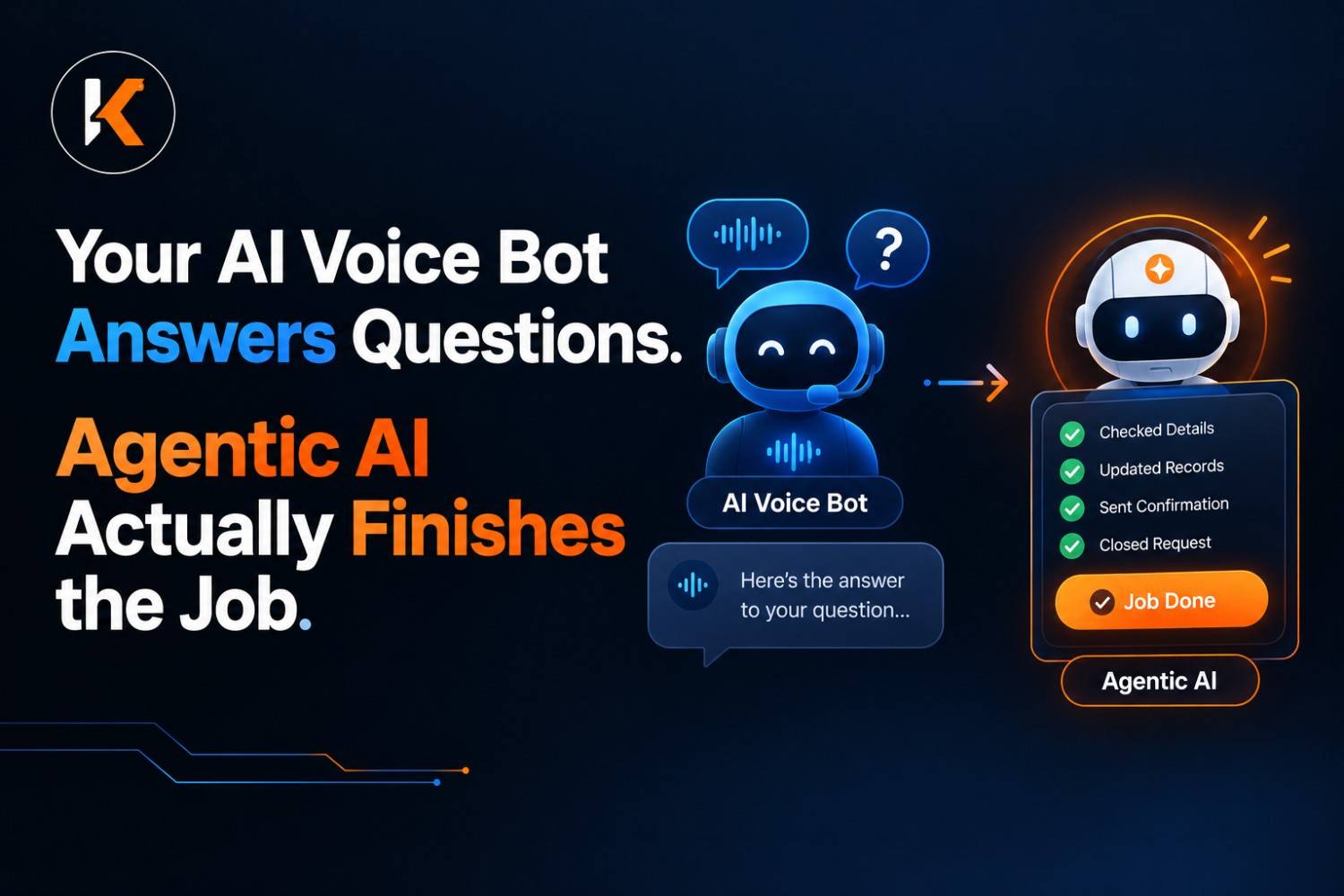
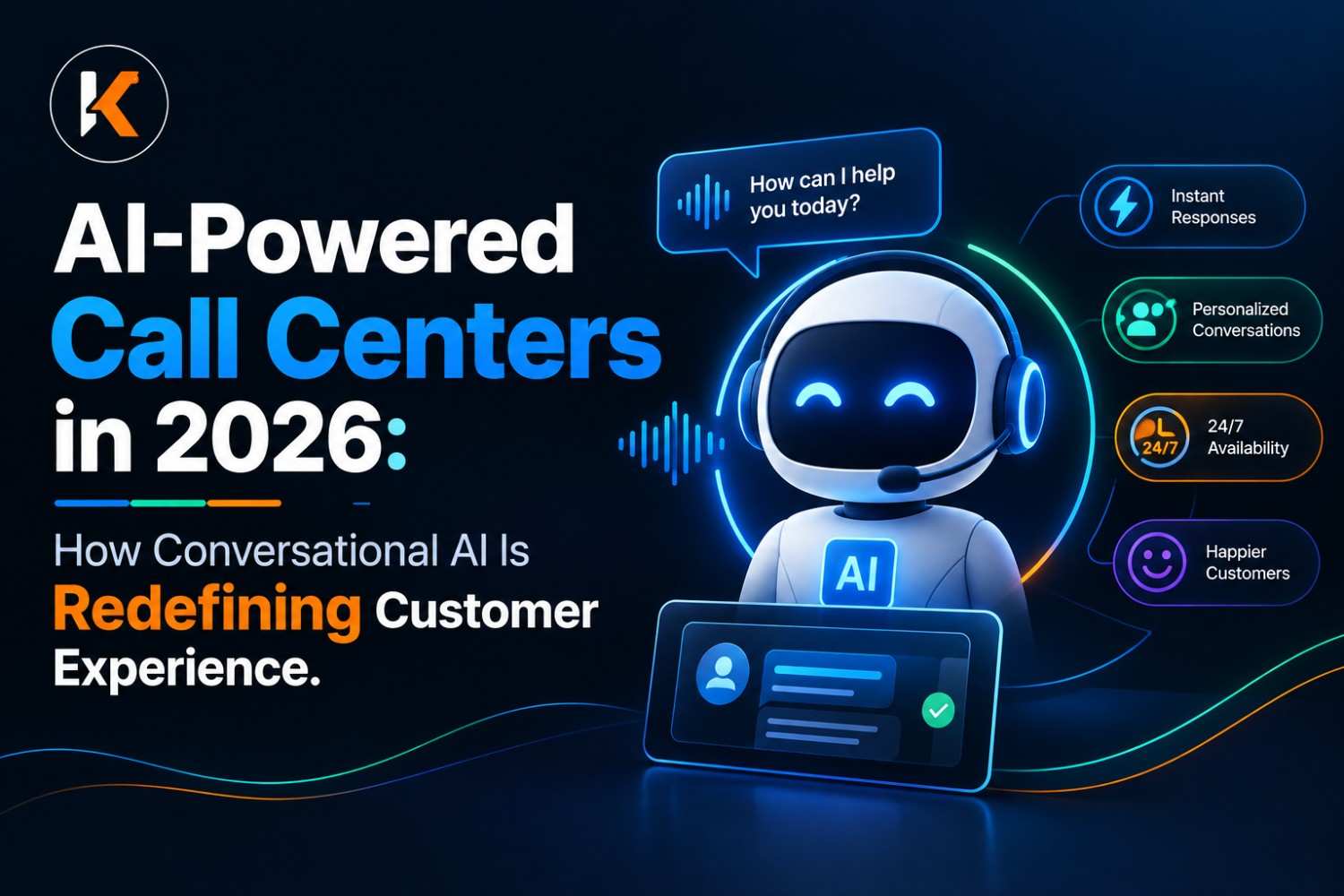
These are AI systems capable of handling full conversations — not just IVR menu trees, but natural language understanding that can interpret intent, pull account data via API, and resolve simple queries without human involvement. Unlike older IVR systems that rely on rigid decision trees, conversational AI can handle open-ended questions like "why was I charged twice this month" and route or resolve accordingly.
Predictive Intelligence in Dialing
AI models now analyze historical call data — best time to reach a customer, likelihood of answering, optimal agent-to-customer matching — to improve connect rates beyond what static predictive dialing algorithms could achieve. This isn't just faster dialing; it's smarter dialing.
Sentiment and Intent Detection
Real-time speech analysis can flag rising frustration in a customer's tone mid-call, prompting a supervisor alert or automatic escalation — something that was previously only possible through post-call review, far too late to act on.
Agent Assist
Rather than replacing agents, AI increasingly works alongside them — surfacing relevant knowledge-base articles, suggesting next-best actions, and auto-summarizing calls in real time, all pulled and processed through API-connected systems.
Why This Requires a Different Technical Architecture
Bolting AI onto a legacy dialer doesn't work. AI-powered CX platforms need architecture built around a few core principles:
1. Real-time, bidirectional API integration
AI systems are only as good as the data they can access instantly. If your CRM, ticketing system, and dialer aren't exchanging data in real time via API, your AI agent is working with stale or incomplete information — which leads to wrong answers, not helpful ones.
2. Event-driven data pipelines
Traditional batch processing (nightly syncs, hourly reports) doesn't work for AI that needs to make decisions mid-call. Modern platforms are built on event streams — every call, click, and data update triggers real-time propagation across connected systems.
3. Cloud-native, elastic infrastructure
AI inference — especially voice processing and NLP — is computationally heavier than traditional call routing. Platforms need to scale compute resources dynamically based on call volume, without requiring manual provisioning.
4. Data governance built in from day one
AI systems processing customer conversations, especially in BFSI, need airtight compliance controls — consent verification, data retention policies, and audit logging — all enforced automatically, not bolted on after deployment.
Where AI Delivers the Clearest ROI
Not every part of the call center benefits equally from AI. The highest-impact areas tend to be:
- First-line query resolution. Simple, high-volume queries (balance checks, order status, appointment confirmations) can be fully automated, freeing agents for complex, high-value conversations.
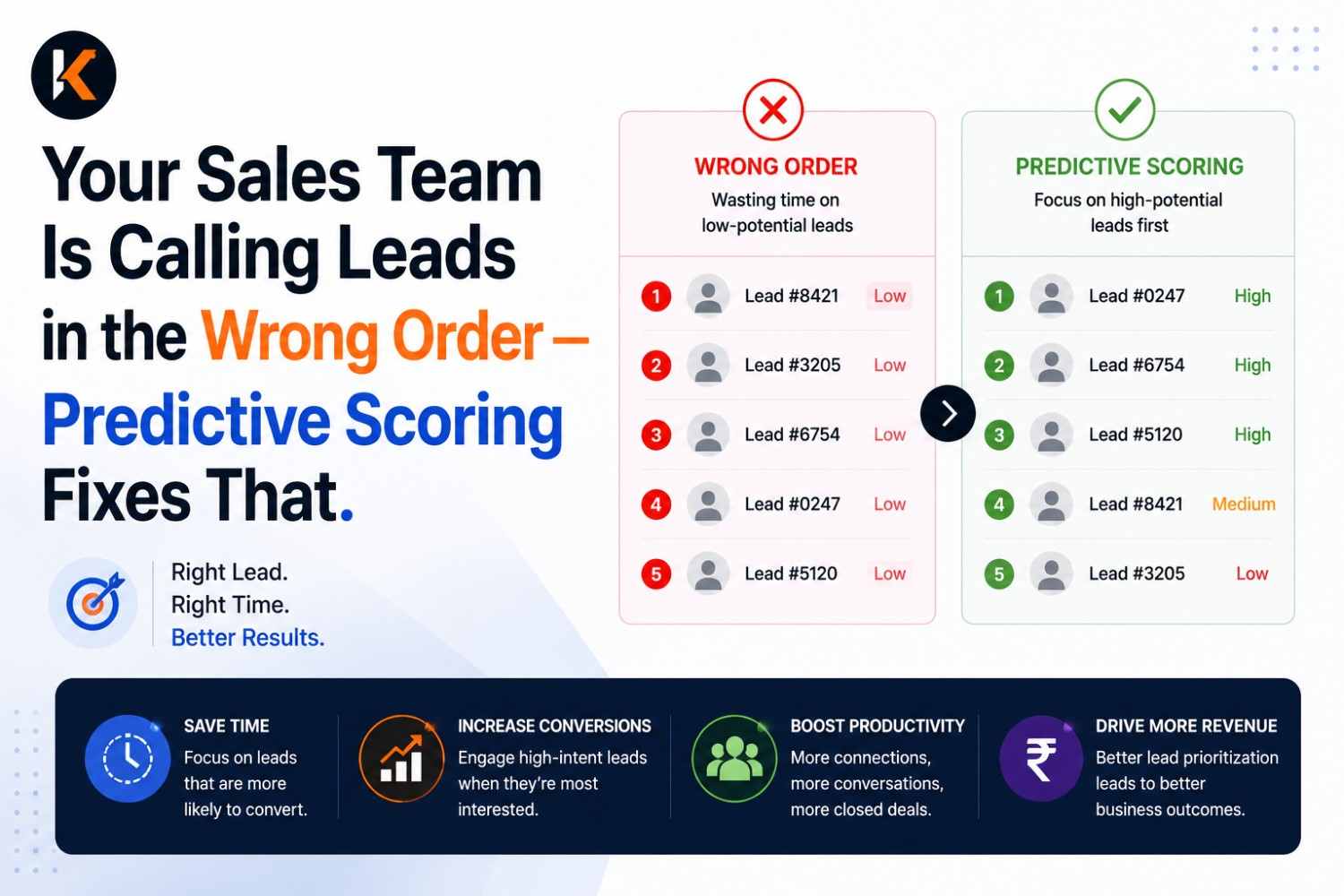
- Lead qualification. AI can pre-screen inbound leads based on conversation patterns and CRM data, routing only qualified prospects to sales agents — reducing wasted agent time significantly.
- Quality assurance at scale. Instead of manually reviewing 2% of calls, AI can analyze 100% of interactions for compliance adherence, sentiment trends, and coaching opportunities.
- Predictive churn signals. Patterns in call frequency, sentiment, and issue type can flag at-risk customers before they churn, triggering proactive outreach.
The Compliance Angle: AI in Regulated Industries
For BFSI and other regulated sectors, AI adoption in call centers comes with additional technical requirements:
- Explainability. If an AI system routes or denies a service request, there needs to be a traceable, logged reason — "black box" decision-making isn't acceptable in regulated environments.
- Consent and disclosure. Customers need to be clearly informed when they're interacting with an AI system versus a human agent, and consent for AI-assisted call handling often needs to be logged.
- Data residency and security. Voice data, transcripts, and AI-processed customer information need to comply with data localization requirements — a significant consideration for Indian enterprises handling sensitive financial data.
- Human-in-the-loop escalation. Every AI-handled interaction needs a clear, low-friction path to a human agent — AI should augment, not gatekeep, access to support.
Common Pitfalls When Adopting AI in Call Centers
- Over-automating too fast. Deploying AI across every touchpoint before it's been tuned on your specific customer base leads to poor experiences and agent distrust of the system.
- Ignoring integration debt. AI performs only as well as the data pipeline feeding it. Platforms with fragmented, poorly integrated systems will see AI underperform regardless of the model's quality.
- Treating AI as a replacement, not a force multiplier. The most successful deployments use AI to handle volume and repetition, letting agents focus on complex, relationship-driven conversations.
- Neglecting continuous training. AI models need ongoing tuning based on real call outcomes — a "set and forget" deployment degrades in accuracy over time as customer language and needs evolve.
What to Evaluate in an AI-Ready Call Center Platform
If you're assessing whether your current — or a new — platform is genuinely AI-ready, look for:
- Real-time API integration across dialer, CRM, ticketing, and lead systems — not batch syncing.
- Native analytics infrastructure capable of processing 100% of call data, not samples.
- Scalable cloud architecture that can handle AI inference load alongside traditional call volume.
- Built-in compliance and audit logging suited to regulated industries.
- Clear human escalation paths baked into every AI-handled workflow.
The Path Forward
AI isn't replacing the call center — it's redefining what it can do. Platforms built with real-time API integration, event-driven data pipelines, and compliance-first architecture are the ones capable of layering in conversational AI, predictive intelligence, and automated QA without a fragile patchwork of add-ons.
For enterprises managing high call volumes — especially in BFSI — the platforms that will lead in 2026 are the ones that treated integration and scalability as foundational from day one, not features added under pressure to keep up.
See how an API-integrated, AI-ready call center platform is built.
Download our free Company Profile to explore KRUDRA-CX's architecture — IVR-enabled auto dialer, real-time analytics, and API integration capabilities trusted by 500+ enterprises, including leading banks that demand zero downtime.