
Why Great Customer Service Beats Great Marketing
Every founder eventually faces a budget decision that feels deceptively simple: where should the next rupee go — marketing or customer service? Most companies default to marketing. It's visible, measurable, and exciting. Ads bring in leads, leads bring in demos, demos bring in revenue. Customer service, on the other hand, feels like a cost center — something you tolerate rather than invest in.
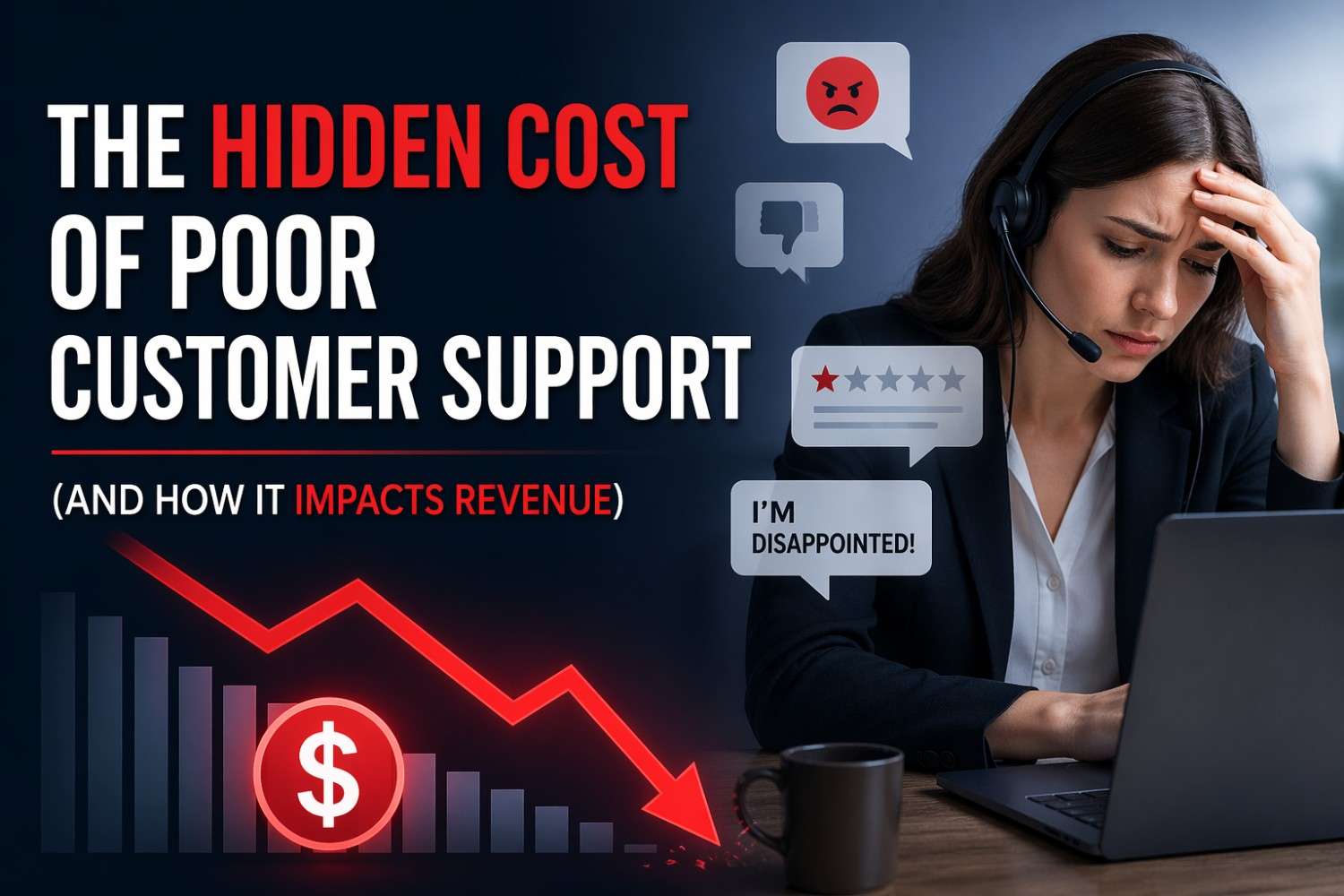
But here's the uncomfortable truth that most B2B companies learn the hard way: marketing gets people to your door. Customer service decides whether they ever come back — and whether they bring others with them.
In this post, we'll break down why customer service isn't just "support," why it often outperforms marketing in driving long-term revenue, and how sales and CX teams can work together to build a business that grows on its own momentum.
The Leaky Bucket Problem
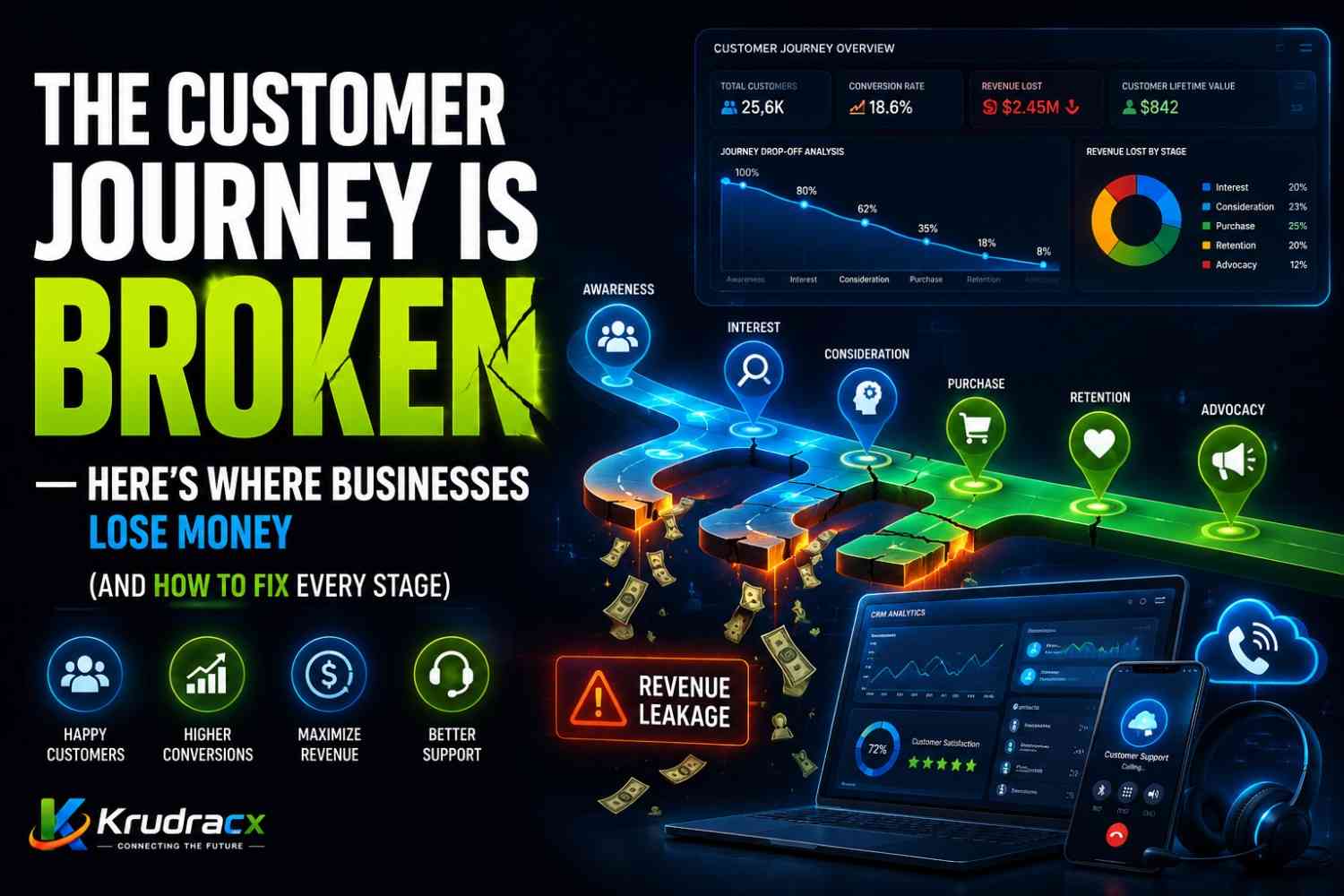
Imagine your business as a bucket and your customers as water. Marketing's job is to pour more water in. Customer service's job is to make sure the bucket doesn't leak.
Now imagine you have a hole in the bottom of that bucket. No matter how much water you pour in, the level never rises — because you're losing customers almost as fast as you're acquiring them. This is exactly what happens when companies overinvest in acquisition and underinvest in retention.
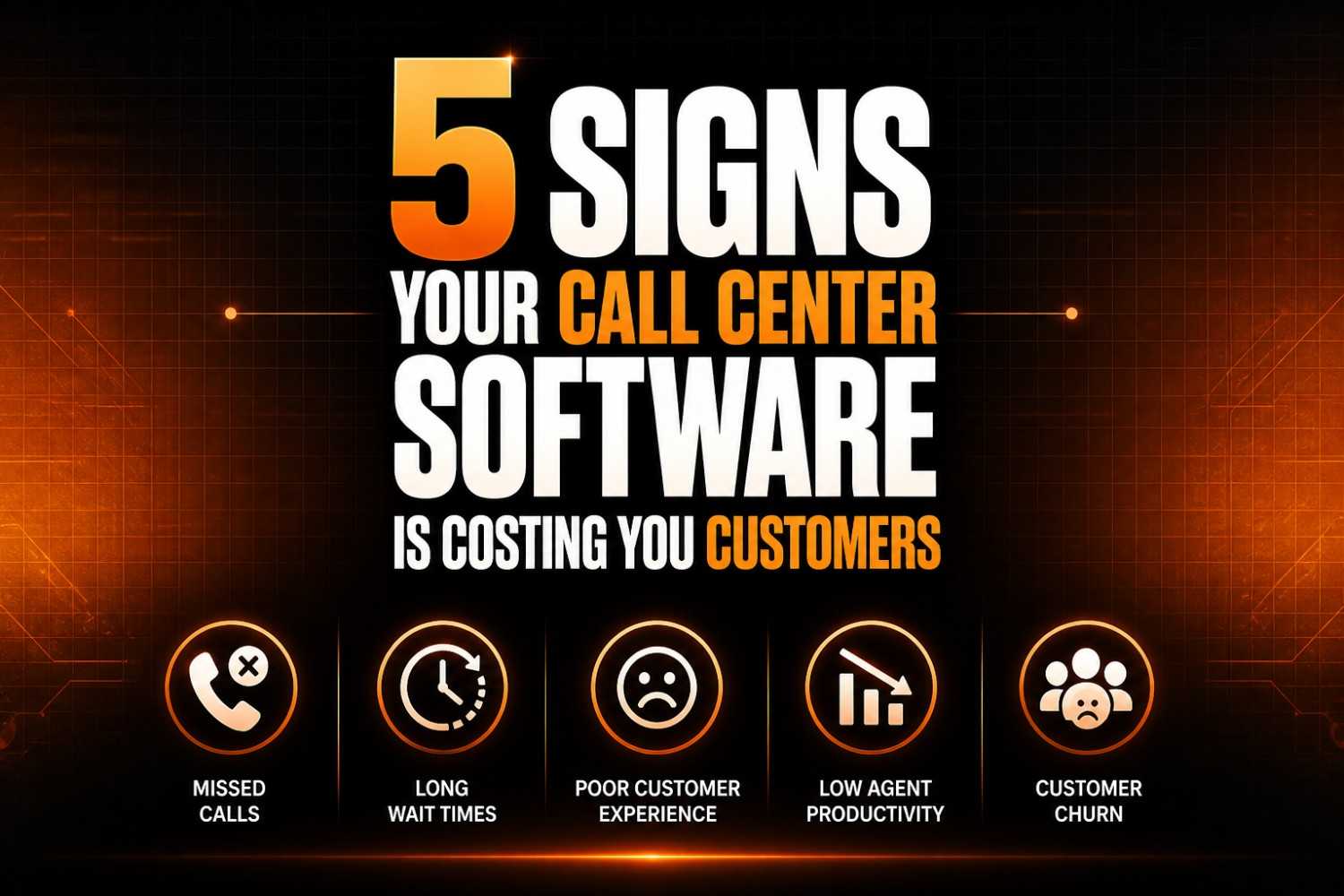
Here's the math that founders often ignore: acquiring a new customer typically costs five to seven times more than retaining an existing one. If your churn rate is high because of poor onboarding, slow support response times, or unresolved complaints, you're essentially paying to fill a bucket that's draining just as fast.
Great marketing can make the bucket look full from the outside. Great customer service is what actually keeps it full.
Marketing Creates First Impressions, Service Creates Lasting Ones
Marketing's job is to create desire. It tells a story — about your product, your brand, your values — and convinces a prospect that you're worth their time and money. That's a real and necessary function. Without marketing, even the best product in the world might never get discovered.
But marketing's influence has a ceiling. Once a customer signs up, makes a purchase, or starts using your product, the story you told them gets tested against reality. And that reality is shaped almost entirely by how your team treats them afterward.
Think about your own experiences as a buyer. You might remember a clever ad or a slick landing page that got your attention. But what really sticks with you — what you tell your friends, your colleagues, your LinkedIn network about — is how a company treated you when something went wrong, or how quickly they helped you when you were stuck.
A brilliant ad campaign can get someone to try your product once. It can't make them stay, upgrade, refer others, or defend your brand when a competitor reaches out. Only consistently good experiences can do that.
The Compounding Effect of Customer Service
One of the most underrated aspects of customer service is that its effects compound over time, while marketing's effects often decay.
When you run an ad campaign, its impact is mostly tied to the spend and the moment. Stop spending, and the leads dry up. But every great customer service interaction creates a ripple effect that keeps paying dividends:
A happy customer renews their subscription without hesitation, which stabilizes your recurring revenue.
A happy customer mentions your product when a colleague asks for recommendations, generating a warm lead that costs you nothing.
A happy customer leaves a positive review or testimonial, which becomes social proof for your marketing team to use for years.
A happy customer is more open to upselling and cross-selling, because trust has already been established.
A happy customer is far less price-sensitive, because they value the relationship, not just the transaction.
None of these outcomes require additional ad spend. They're generated by the experience itself. Over time, this creates a flywheel: better service leads to happier customers, happier customers create more referrals and retention, and that growth reduces your dependency on paid acquisition. Marketing becomes a multiplier on top of an already strong foundation — not a substitute for one.
Why B2B Buyers Especially Reward Great Service
In B2C, a bad customer service experience might cost you one customer. In B2B, it can cost you an entire account — and the network of decision-makers connected to it.
B2B buying decisions are rarely made by a single person. There's usually a buying committee: the end user, the manager, the procurement team, sometimes even the CFO. If your product causes friction for the end user, or your support team is slow to respond to a critical issue, that frustration doesn't stay contained. It spreads through Slack channels, internal meetings, and renewal discussions.
On the flip side, when a vendor's support team genuinely helps a struggling account get unstuck — fast, clearly, without unnecessary escalation — that experience becomes a story the buyer tells internally. "These guys actually helped us when things went wrong" is one of the most powerful trust signals in B2B, far more persuasive than any case study or testimonial video.
For SaaS companies in particular, where contracts often renew annually or quarterly, the quality of customer service directly impacts Net Promoter Score, renewal rates, and expansion revenue. A single bad support experience during a critical moment — like onboarding, a product outage, or a billing issue — can quietly plant the seed of churn months before the actual cancellation happens.
The Sales and Service Connection Most Companies Miss
Here's something sales teams often overlook: the quality of customer service directly affects how easy or hard your job becomes.
If your existing customers are happy, they become your best salespeople. Referrals from satisfied customers convert at significantly higher rates than cold outreach, because trust is already established before the first conversation even happens. A warm introduction from a happy client is worth more than a hundred cold emails.
On the other hand, if your customer service is inconsistent, your sales team inherits the consequences. Prospects do their homework. They check reviews, ask peers, and sometimes even reach out to existing customers before signing a contract. If those existing customers have horror stories about support, no amount of polished sales messaging will close the deal.
This is why the best-performing sales organizations don't see customer service as a separate department — they see it as an extension of the sales process. Every support interaction is either reinforcing the original sales pitch or quietly undermining it.
Marketing Builds Awareness, Service Builds Trust — and Trust Closes Deals
There's a reason "trust" comes up again and again in B2B buying research. Buyers are taking on risk when they choose a vendor — risk to their budget, their timeline, and often their own reputation within their company if the choice doesn't work out.
Marketing can build awareness and even initial credibility through positioning, content, and brand presence. But trust — the kind that actually moves a deal from "interested" to "signed" — is built through experiences, not messaging. And often, the experiences that matter most happen before the deal is even closed: how quickly does the team respond to questions during the sales process? How well do they handle a tricky technical query? How transparent are they about limitations?
In other words, the way your team treats prospects during evaluation is often a preview of how they'll treat customers after the contract is signed. Smart buyers are paying attention to this, whether consciously or not.
This is also why customer service excellence has such a strong halo effect. When existing customers are vocal about positive experiences — in reviews, on LinkedIn, in community forums — it does something marketing alone can never fully replicate: it provides third-party validation. People trust other people far more than they trust brands talking about themselves.
When Marketing Without Service Becomes a Liability
There's a darker side to this conversation that's worth addressing directly: marketing without strong service doesn't just fail to help — it can actively hurt you.
If your marketing promises speed, reliability, and a great experience, but your actual service falls short, you create a gap between expectation and reality. That gap becomes resentment. Customers don't just feel neutral about an unmet promise — they feel misled, even if that wasn't the intention.
This is especially damaging in the age of public reviews and social media. A single viral complaint about poor service, especially one that highlights a contrast between marketing claims and reality, can do more damage than years of positive ad campaigns can repair. "They promised X but delivered Y" is a narrative that spreads fast, because it taps into a feeling almost everyone has experienced as a consumer.
The lesson here isn't that marketing is bad — it's that marketing should be a reflection of reality, not a substitute for it. The best marketing teams know this, and they often push internally for service improvements before scaling up campaigns, because they understand that more traffic to a leaky bucket just means more frustrated customers, faster.
How This Plays Out in Outbound Sales
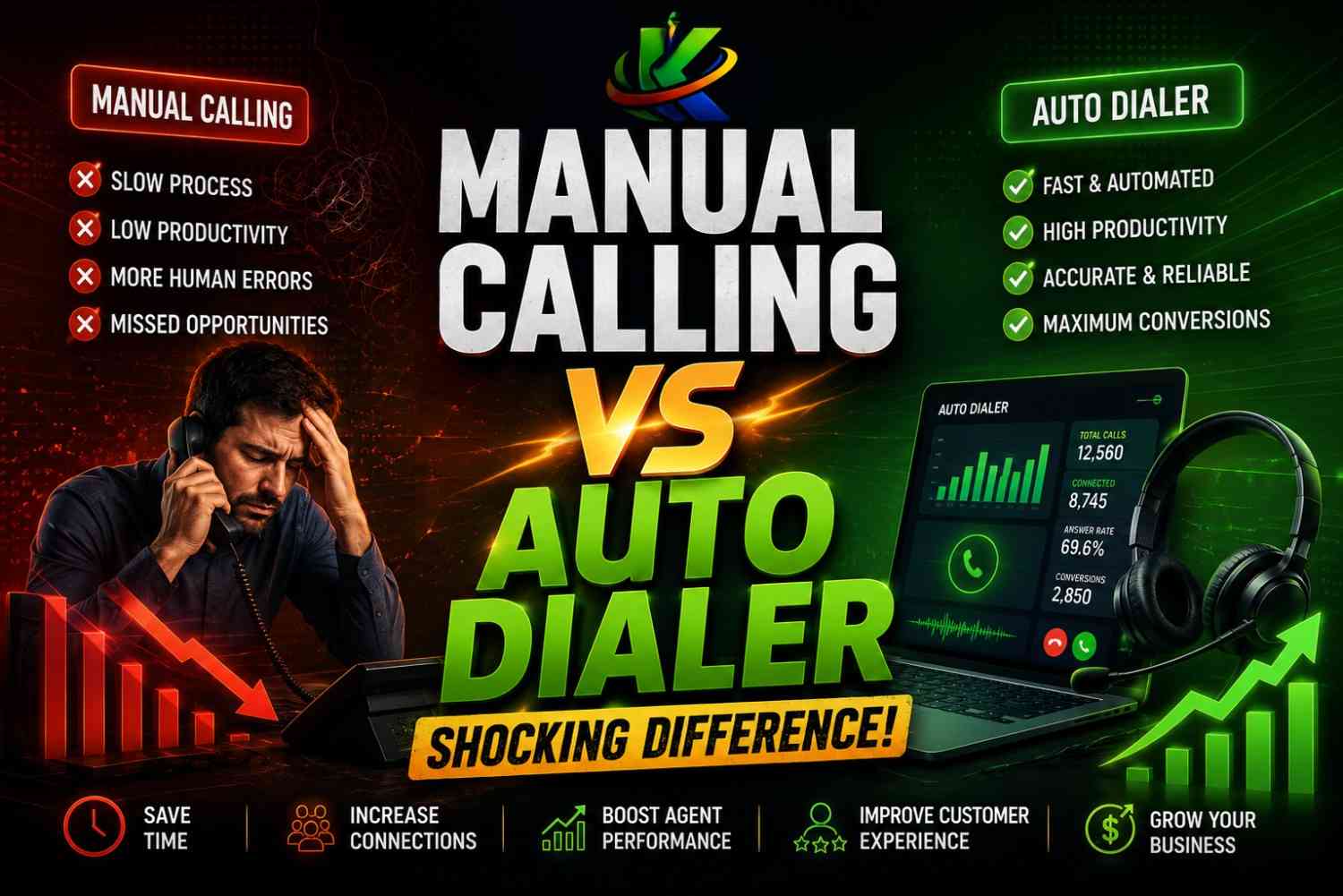
For sales teams running outbound campaigns — cold calling, cold emailing, LinkedIn outreach — there's a direct link to this conversation that's often missed.
Every outbound campaign eventually leads to conversations with real people who may already have opinions about your brand, formed through past interactions, reviews, or word of mouth from their network. If your customer service reputation is strong, outbound reps walk into conversations with a tailwind. Prospects are more receptive, objections are softer, and trust is established faster.
If your customer service reputation is weak or inconsistent, outbound reps are fighting an uphill battle before the call even starts. No script, no matter how well-crafted, can fully overcome "I've heard their support is a nightmare."
This is why sales leaders should care deeply about service quality — not as a courtesy to the support team, but as a direct input into their own pipeline's conversion rates. Good service isn't just retention strategy. It's pipeline strategy.
Building a Culture Where Service Is Everyone's Job
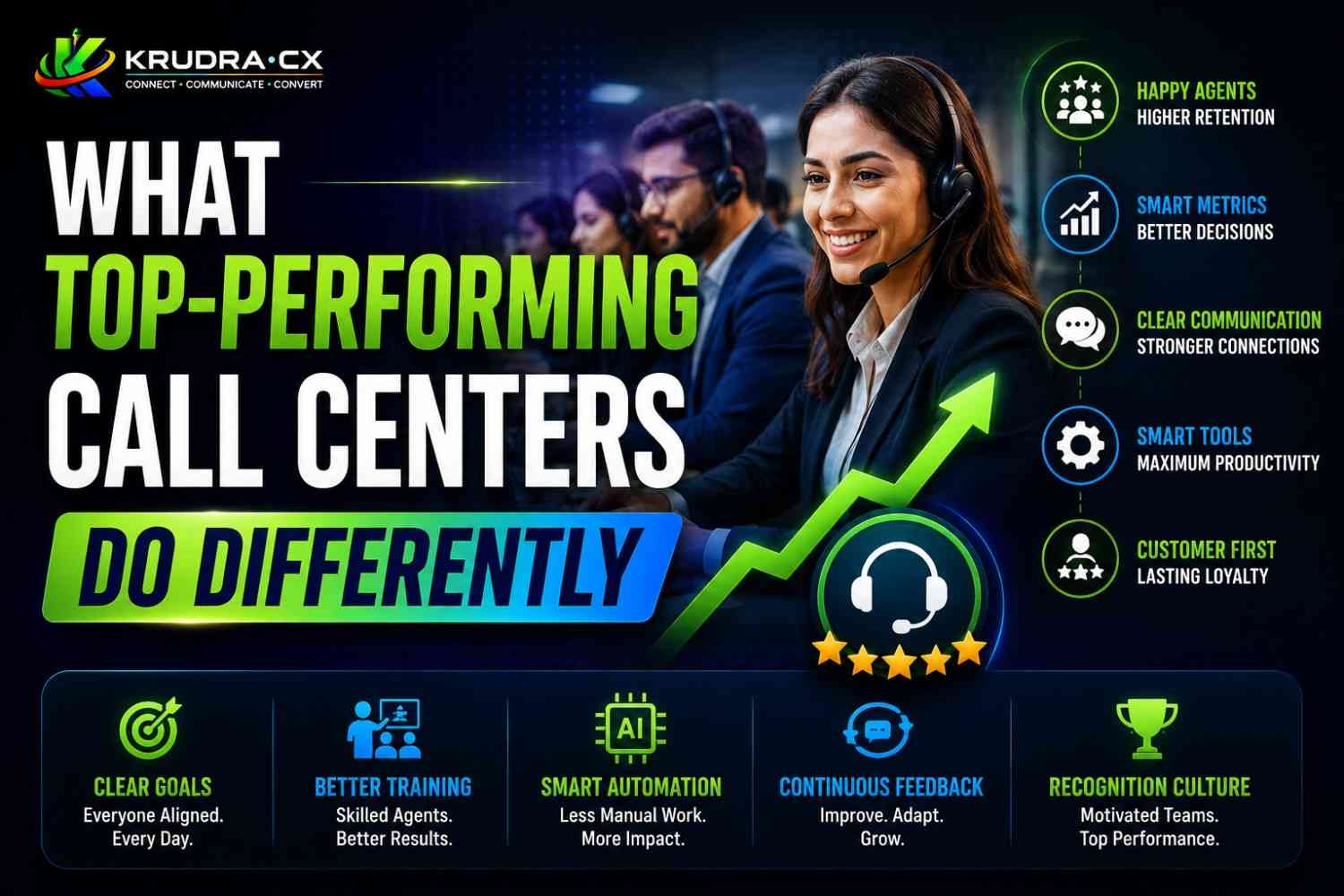
One of the most important shifts a growing company can make is moving away from the idea that "customer service" is a department, and toward the idea that it's a company-wide responsibility.
This doesn't mean every employee needs to handle support tickets. It means every employee — from the founder to the newest sales hire — understands that their actions have downstream effects on the customer experience. A sales rep who oversells capabilities to close a deal faster is creating a service problem for someone else down the line. A product team that ignores recurring support tickets is letting small frictions become major churn drivers.
Companies that get this right often build feedback loops between support and other departments. Common customer complaints get surfaced to product teams. Common objections handled well by support get shared with sales as talking points. This kind of cross-functional flow turns customer service from a reactive cost center into a proactive source of business intelligence.
Practical Ways to Strengthen Customer Service Without Breaking the Budget
For founders and sales leaders who are convinced but wondering where to start, here are a few practical, low-cost ways to begin shifting the balance:
Respond faster, even if the resolution takes time. Often, what frustrates customers most isn't the wait itself — it's the silence. A quick acknowledgment that you're working on it goes a long way.
Make it easy to reach a human. Overly complex support menus, endless chatbots with no escalation path, and buried contact information all signal that you don't want to be reached. Remove those barriers.
Close the loop with unhappy customers. When something goes wrong, following up after the fix — to confirm everything's working and to thank them for their patience — turns a negative experience into a positive memory.
Use customer feedback to inform sales conversations. If support consistently hears the same questions or concerns, equip your sales team with answers before prospects even ask.
Treat onboarding as part of customer service, not just sales. The first few weeks after a deal closes are often where churn risk is highest. Investing here pays off in retention.
None of these require a massive budget increase. They require a shift in priority — recognizing that the customers you already have are your most valuable, lowest-cost growth channel.
The Bottom Line
Marketing and customer service aren't competitors for budget — they're partners in growth, but they play very different roles. Marketing opens the door. Customer service decides whether people stay inside, tell their friends about the place, and come back again.
For B2B companies, especially those relying on outbound sales and long-term contracts, the quality of customer service isn't a "nice to have." It's a direct driver of referrals, retention, expansion revenue, and even the effectiveness of your sales team's outreach.
If you're a founder or sales leader looking at your budget and wondering where the next investment should go, ask yourself this: are you trying to fill a bucket that's leaking? Or are you ready to build a business where every customer interaction — sales, service, or otherwise — strengthens the foundation for everything that comes after?
Great marketing might get people talking about you. Great customer service is what makes them stay.
Ready to build outbound and customer engagement processes that actually scale with your team? Visit krudracx.com to see how KrudraCX helps sales teams streamline outreach, manage conversations, and turn every customer touchpoint into an opportunity for growth.