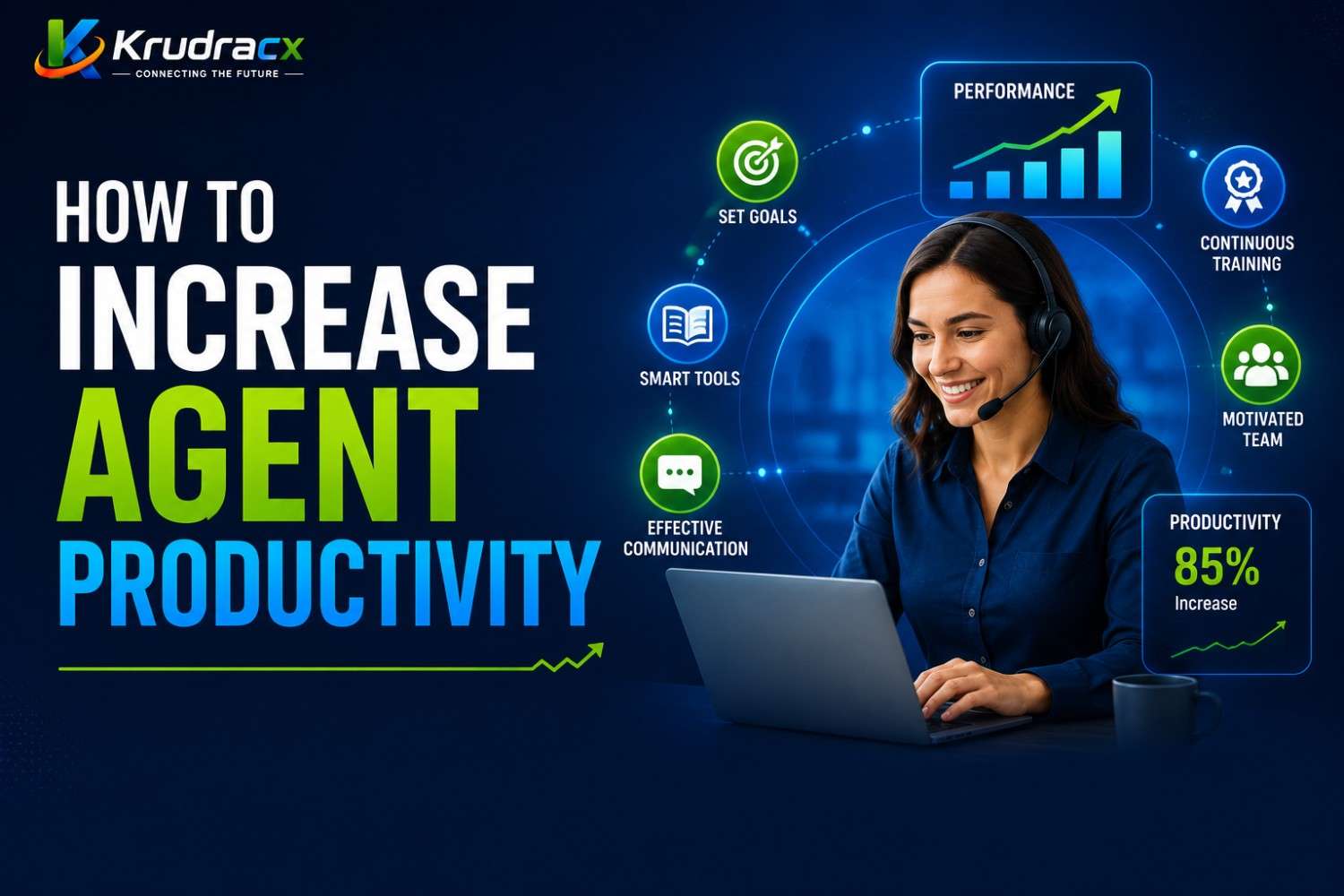
How to Increase Agent Productivity in Your Call Center (Without Burning Anyone Out)
There's a version of this conversation that happens in almost every call center manager's office at some point. The numbers are down. Handle time is up. Agents seem disengaged. And someone in the room suggests adding more monitoring, tighter scripts, or stricter break schedules.
That approach usually makes things worse.
Real agent productivity doesn't come from squeezing more calls into fewer minutes. It comes from removing the friction that slows agents down in the first place — bad tools, unclear processes, poor coaching, and the kind of repetitive manual work that kills motivation faster than anything.
This blog is about fixing that. Not with generic advice, but with things that actually work in outbound and inbound call center environments.
First, Let's Be Honest About What's Killing Productivity
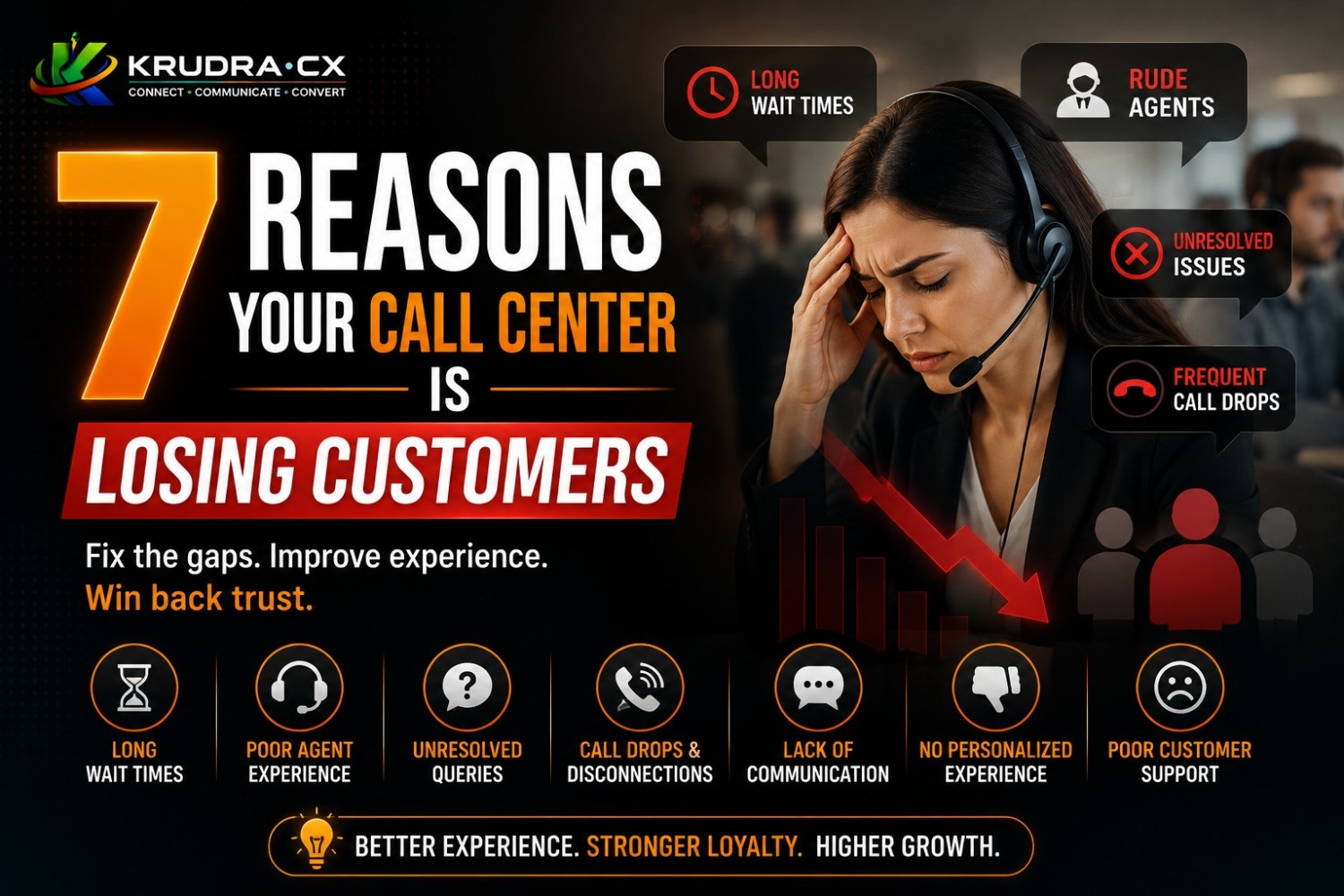
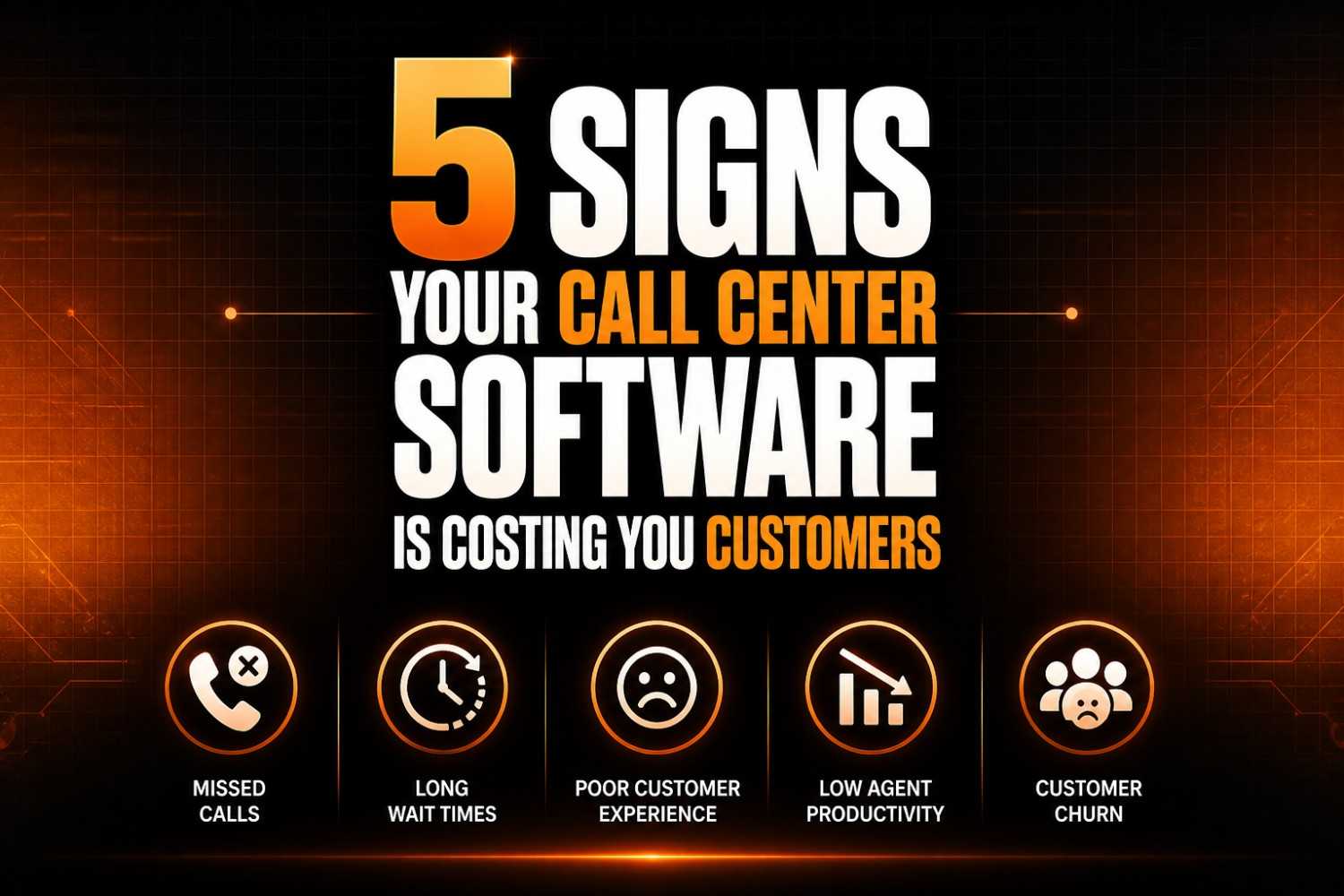
Before you can fix agent productivity, you have to know what's actually breaking it. And in most call centers, it's not lazy agents. It's structural.
Here are the real culprits:
Manual dialing and idle time. Agents spending time dialing numbers, waiting for rings, hitting answering machines — that's dead time. It adds up fast across a team of 20 or 50 people.
Too many tools, none of them talking to each other. Agent has the CRM open in one tab, the dialer in another, customer history somewhere else. They're copy-pasting data between systems while trying to hold a live conversation. That's a recipe for errors and exhaustion.
Vague performance feedback. "Do better" isn't coaching. If agents don't know exactly what they're doing wrong and how to fix it, nothing changes.
Burnout from repetitive, low-value tasks. Wrapping up calls manually, logging every interaction by hand, updating statuses after each conversation — these things eat hours every week and make agents feel like data entry clerks, not professionals.
Fix the systems first. Then the numbers move.
1. Automate the Dialing — Seriously
If your agents are still manually dialing numbers, you're leaving a significant chunk of productive time on the table every single day.
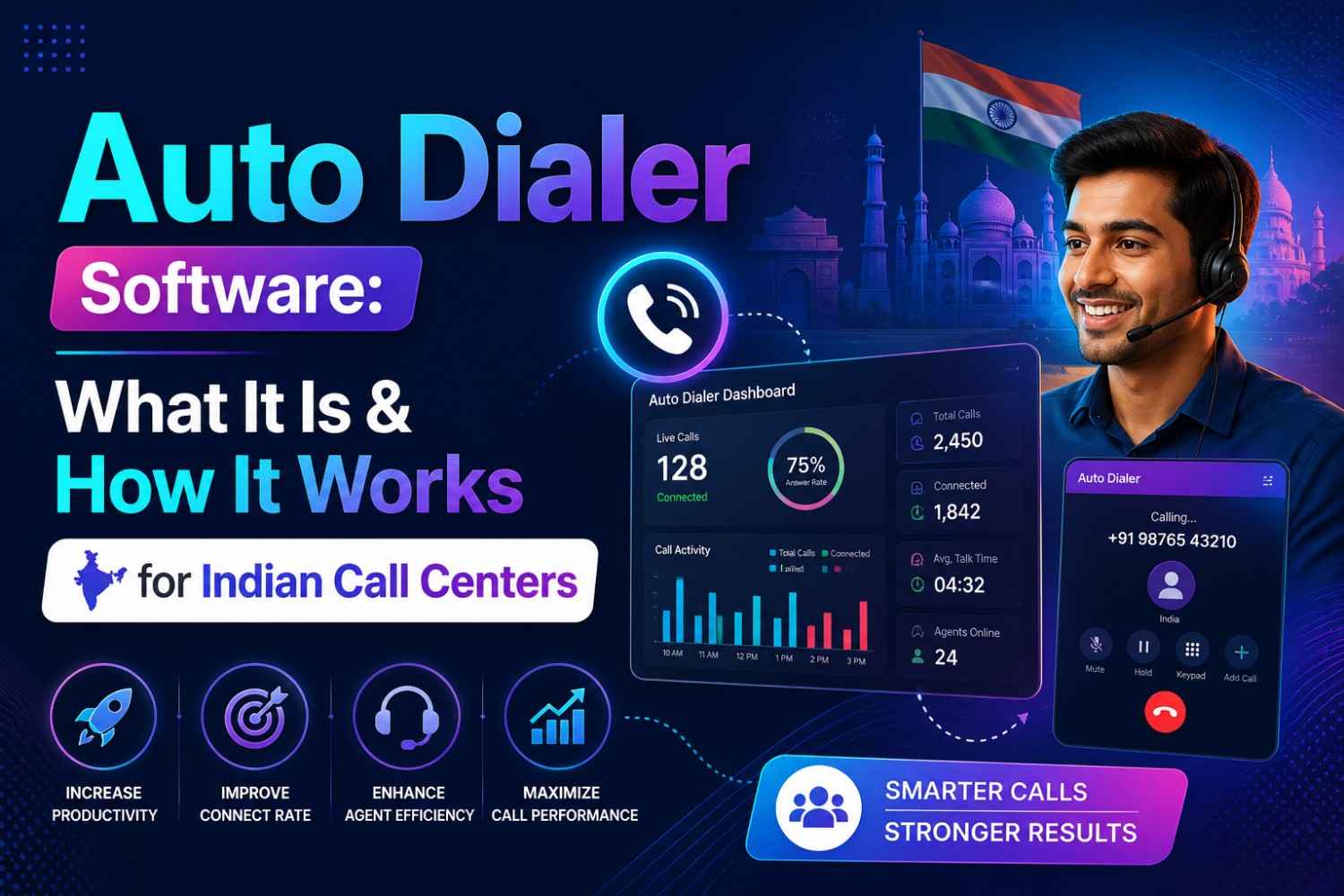
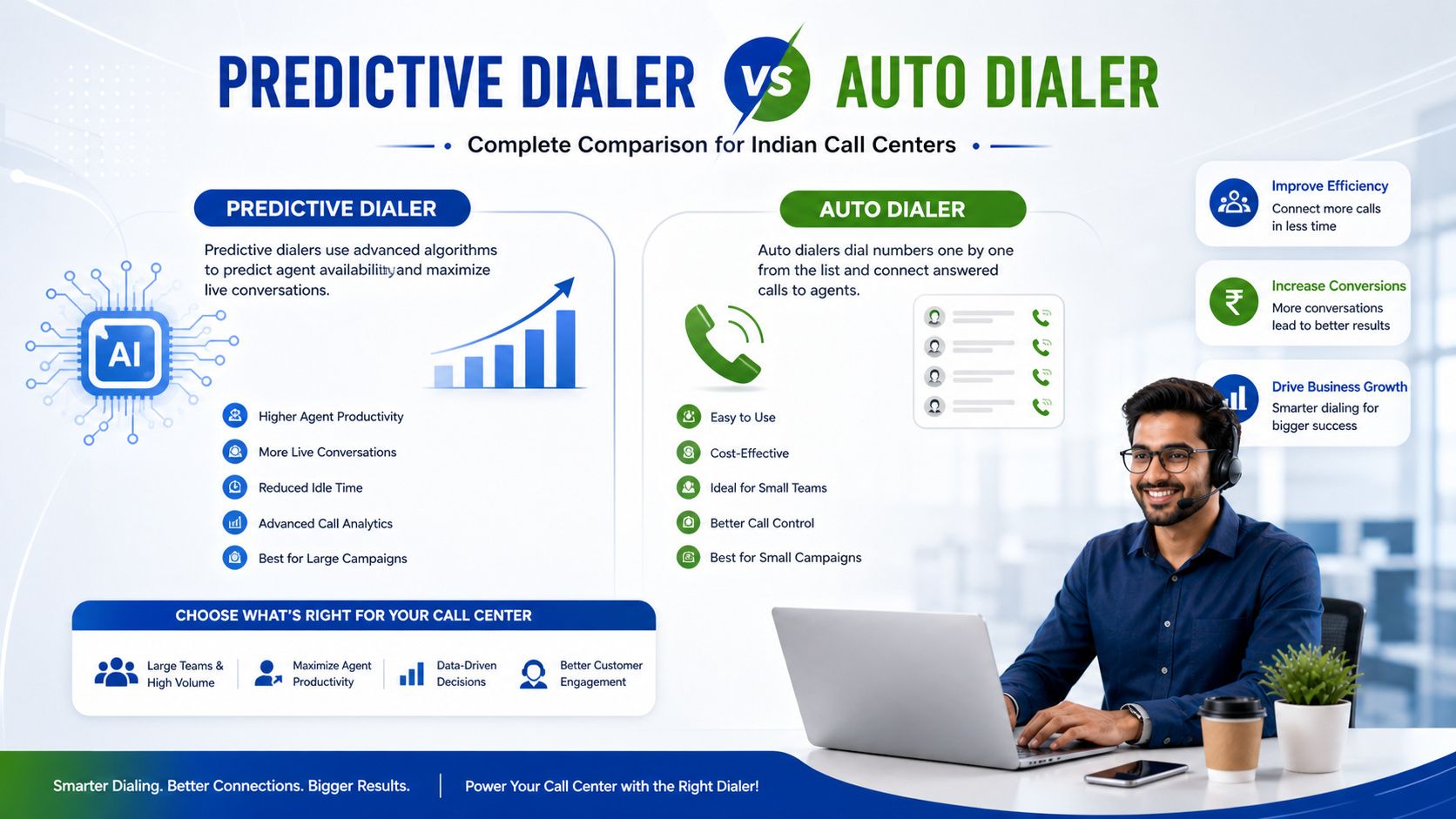
Auto dialers and predictive dialers exist precisely for this reason. A predictive dialer doesn't just dial for the agent — it uses algorithms to predict when an agent will be free, dials multiple numbers ahead of time, and only connects the agent when a live person picks up. Answering machines, busy tones, disconnected numbers? The dialer handles those silently.
The result is that agents spend their time actually talking to customers, not babysitting a dial tone.
In high-volume outbound environments, teams using predictive dialers consistently report 2-3x more live conversations per hour compared to manual dialing. That's not a marginal improvement — that's transformational.
One thing to watch: predictive dialers work best when your lead lists are clean and your agents are well-coached. A dialer that connects faster can't fix a broken pitch or a bad-quality lead database. It amplifies what's already there — good or bad.
2. Give Agents Information at the Right Moment
Nothing derails a live call faster than an agent scrambling to find basic information — account history, previous interactions, outstanding issues, what product the customer bought last time.
A well-integrated CRM solves this. When an agent connects to a call, they should see a complete picture of that customer before they say hello. Not after three minutes of digging through tabs. Before.
This is what's called a "screen pop" — the CRM automatically pulls up the customer record the moment the call connects. The agent walks into the conversation informed. They can skip the awkward "can I just pull up your account" phase and get straight to actually helping.
But CRM integration goes beyond screen pops. When agents can log call outcomes, set follow-up tasks, and update contact records without leaving the dialer — that's where productivity really compounds. You're cutting the post-call admin work that eats 5-10 minutes after every interaction.
If your current CRM doesn't integrate cleanly with your dialer, that's worth fixing before almost anything else on this list.
3. Stop Measuring Everything Except the Right Things
Call centers are drowning in data. Average handle time. Call volume. First call resolution. Abandonment rate. Service level. The list goes on.
The problem isn't the data. It's that managers often track everything, act on almost none of it, and agents feel surveilled rather than supported.
Pick the metrics that actually reflect productivity for your specific operation. For most outbound teams, that's conversion rate, calls connected per hour, and average talk time. For inbound teams, first call resolution and customer satisfaction scores usually matter more than raw volume.
Once you've picked the right metrics, use them to coach — not just to report. An agent with a low conversion rate and high talk time probably needs help getting to the point faster. An agent with a high call volume but low conversions might be rushing through calls. The data tells you where to look; coaching tells you what to do.
Call disposition tracking also helps here. When agents consistently tag call outcomes accurately — not connected, callback requested, interested but no decision, closed — you get visibility into where deals are stalling in the pipeline. That's not just useful for managers. It helps agents understand their own patterns.
4. Invest in Onboarding Like It's a Revenue Decision (Because It Is)
New agents who don't get proper training become liabilities fast. They handle calls poorly, they get frustrated when they can't find answers, and they burn out and leave within a few months — which means you're recruiting and training all over again.
Good onboarding isn't a two-day orientation and a thick manual. It's structured. It includes supervised live calls. It has clear milestones. And it doesn't just cover product knowledge — it covers how to handle objections, how to manage difficult conversations, and how to use every tool in the agent's stack.
A smart call center also uses call recordings in onboarding. Not to embarrass new agents, but to show them what a great call actually sounds like. "Here's a recording of one of our best reps handling this exact objection — let's break down what they did." That's infinitely more useful than a role-play exercise done in a conference room.
Training shouldn't stop after the first month either. The best-performing call center teams have regular coaching sessions built into their calendar — weekly or bi-weekly reviews where specific calls get discussed, feedback is given privately, and skill gaps are addressed before they become habits.
5. Reduce Post-Call Work Wherever Possible
Ask any call center agent what drains them, and post-call admin usually comes up early. After every conversation, they have to log what happened, update the CRM, set a follow-up task, change the contact's status. If that process takes 6 minutes per call and an agent does 40 calls a day, that's four hours of admin. Every day.
There are a few ways to attack this:
Automate the routine parts. Many modern call center platforms can automatically log call duration, timestamp, recording link, and outcome without the agent typing anything. The agent only needs to add context that requires human judgment.
Use call disposition codes. Instead of writing notes from scratch, agents select from a standardized list of outcomes. This speeds up post-call work and makes your reporting cleaner.
Set up follow-up automation. If a lead requests a callback on Thursday, the agent shouldn't have to manually create a reminder. That should happen automatically based on the disposition they tagged.
Less time on admin means more time on calls. It also means agents leave work less mentally drained, which has a real effect on retention.
6. Look at Your IVR If You Have Inbound Teams
For inbound call centers, a well-designed IVR system is a productivity tool just as much as the dialer is for outbound teams.
When IVR routes calls effectively — matching customers to the right department or agent based on their issue, account type, or previous history — agents spend less time transferring calls and more time resolving them. First call resolution rates go up. Average handle time goes down. Customers are less frustrated when they arrive because they haven't been stuck in three wrong queues.
A poorly designed IVR does the opposite. It frustrates customers before the agent even picks up, and it wastes time with unnecessary transfers and repeated verification.
The IVR audit is something most call centers skip for too long. If your inbound team is handling a lot of internal transfers, that's usually a sign the IVR isn't routing correctly.
7. Create an Environment Where Agents Actually Want to Stay
This one is less technical, but it matters just as much as any software upgrade.
Agent turnover in call centers is expensive. When experienced agents leave, you lose the institutional knowledge they carry — the objection handling that took months to develop, the customer relationships they built, the process shortcuts that make them efficient. Replacing them costs money and takes time.
What keeps agents? A few things come up consistently in retention research: clear growth paths, managers who give honest and specific feedback, recognition when performance is good (not just correction when it's bad), and the feeling that their time isn't being wasted on pointless tasks.
Gamification has also worked well in a lot of call center environments — not in a gimmicky way, but where agents can see their progress against goals, compete with teammates in friendly ways, and earn recognition for hitting targets. It converts what feels like grind into something more like a game with clear rules and visible progress.
None of this replaces fair pay and reasonable working conditions. But it does make a difference at the margins, which is where a lot of productivity actually lives.
8. Use Cloud-Based Infrastructure to Remove Technical Friction
This one is particularly relevant for growing teams. On-premise call center setups have real limitations — capacity ceilings, maintenance overhead, software updates that require downtime, and difficulty scaling quickly when the business grows.
Cloud-based call center software removes most of that. Agents can work from anywhere. Capacity scales with demand. Updates happen without bringing the system down. Integration with other tools is usually faster and more flexible.
For managers, cloud platforms typically offer better real-time dashboards — you can see exactly how many agents are active, which queues are backed up, and where calls are dropping, without waiting for an end-of-day report.
The shift to cloud infrastructure also unlocks things like remote agent support, which opens up your hiring pool significantly and can help with both cost and retention.
9. Listen to Your Agents
This sounds obvious. It often doesn't happen.
Agents know where the friction is. They're living it every day. They know which step in the call flow causes the most confusion. They know which type of lead is a waste of time. They know when the script stops making sense. They know which tool crashes at the worst moments.
Regular one-on-ones where agents can raise process issues — not just performance conversations — surface problems that never appear in dashboards. Build a channel for that feedback. Act on it visibly, so agents see that raising a problem actually changes something.
When agents feel heard, engagement goes up. When engagement goes up, productivity follows.
Putting It Together
Most productivity problems in call centers aren't mysteries. They're predictable outcomes of specific system failures: slow dialing, bad data access, poor coaching, too much manual work, and agents who feel like parts in a machine rather than professionals developing a skill.
Fixing productivity means fixing those things in order of impact. For most outbound teams, the dialer and CRM integration will move the needle fastest. For inbound teams, IVR design and first call resolution coaching often matter most. For both, reducing post-call admin and building real coaching cadences compounds over time.
The good news is that none of this requires a complete overhaul to start. Pick the biggest friction point in your current setup and fix that first. Then the next one.
Ready to See What Better Looks Like?
If you're managing a call center and agent productivity is the problem, the tools your team uses every day are either helping or hurting. KrudraCX builds call center software specifically for teams that need to perform at scale — predictive dialers, smart IVR, CRM integration, real-time dashboards, and everything in between.
We work with BFSI teams and outbound sales operations that can't afford downtime or low conversion rates. If that sounds like your situation, let's talk about what's actually holding your team back.
Book a free demo with KrudraCX today and see how your agents can do more — without burning out to get there.
Visit krudracx.com or reach out directly to schedule a walkthrough of our platform.